
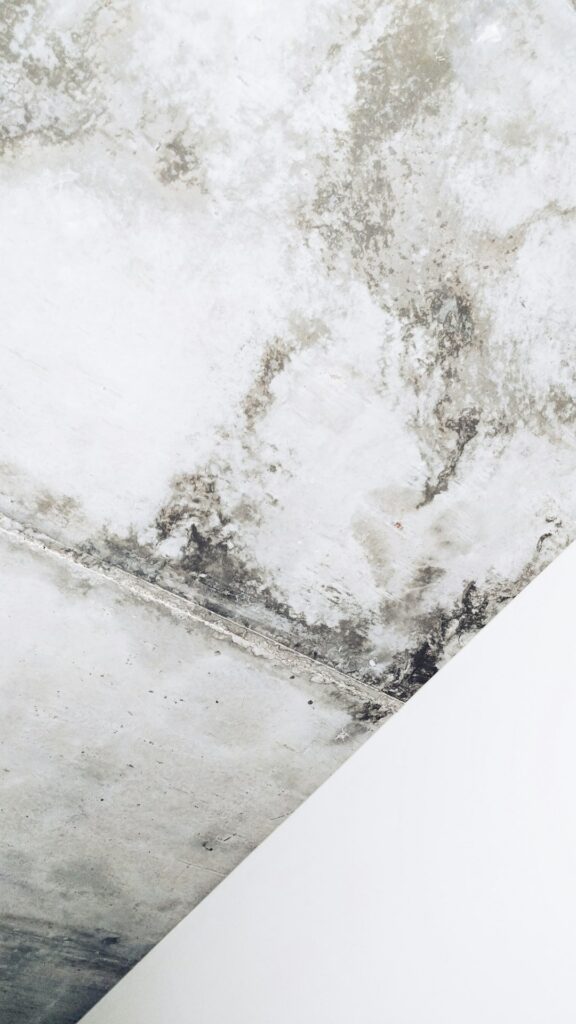
Mold is usually not covered simply because it exists in a home. Homeowners insurance generally looks at the cause of the mold and whether that cause was a covered event under the policy.
A standard policy may cover mold-related damage when mold results directly from a covered loss, such as a sudden burst pipe. It commonly excludes mold caused by long-term leaks, poor maintenance, flooding, high humidity, or repeated moisture problems.
Does homeowners insurance cover mold damage?
Usually, not by itself. Mold is often excluded or limited under homeowners insurance policies, especially when it develops gradually.
Coverage may be available when mold is a direct consequence of a covered event. For example, if a supply line suddenly breaks and water soaks the flooring, walls, and cabinets, the policy may cover the water damage and some mold removal required because of that incident.
The exact result depends on:
- The source of the moisture
- Whether that source is covered under the policy
- How quickly the problem was reported and addressed
- Any mold, fungi, bacteria, water, or neglect exclusions
- Special limits or endorsements listed in the policy
Mold coverage is not determined only by the size of the problem. A large amount of mold from an excluded cause may receive no coverage, while limited mold caused by a covered loss may be included.
What mold-related situations may be covered?
Coverage is more likely when mold follows a sudden and accidental event that the policy covers.
Examples may include:
- A burst water pipe damages drywall and flooring
- A covered roof loss allows rain to enter the home
- A water heater suddenly ruptures
- Firefighting water leaves the home damp and mold begins to grow
- A covered appliance leak causes hidden moisture behind cabinets
In these situations, the policy may pay for repairs to covered parts of the home and may also pay for necessary mold removal, drying, or replacement of damaged materials. Some policies place a separate dollar limit on mold-related work, even when the original water loss is covered.
Coverage for temporary living expenses may also apply if a covered loss makes the home unsafe or unlivable. That coverage is separate from the cost of mold cleanup and is subject to the policy’s terms and limits.
When is mold usually excluded?
Mold is commonly excluded when it results from maintenance issues or moisture that developed over time.
Common examples include:
- A slow plumbing leak that was ignored for months
- Repeated condensation around windows or ductwork
- Poor bathroom ventilation
- Roof deterioration from age or lack of maintenance
- Water intrusion through an old foundation crack
- High indoor humidity
- Failure to repair a known leak
- Mold caused by flooding or rising groundwater
- Damage connected to sewer backup when no applicable endorsement exists
A homeowners policy is not a maintenance contract. It generally does not pay to correct ordinary wear, deterioration, construction defects, or preventable moisture problems.
For households in Murfreesboro, seasonal humidity, heavy rain, storms, and temperature changes can make moisture control especially relevant. A small leak around a roof penetration, window, bathroom fixture, or plumbing connection may remain hidden until staining, odor, warped materials, or visible growth appears.
Does homeowners insurance cover mold caused by flooding?
Standard homeowners insurance generally does not cover flood damage, including mold that develops because of floodwater.
Flood insurance is separate from ordinary homeowners coverage. Even when flood insurance applies, its treatment of mold may depend on whether the mold was directly caused by the insured flood and whether the property was reasonably dried and protected after the event.
Water entering from surface runoff, overflowing waterways, or widespread ground saturation is generally treated differently from water released by a broken pipe inside the home. The source of the water matters.
What about a sewer backup or sump pump overflow?
Sewer backup and sump pump overflow are often excluded from a standard homeowners policy unless specific additional coverage was purchased.
If a backup causes water damage and later mold, the policy may cover some of the loss only if the applicable endorsement is present. These endorsements often have their own limits, deductibles, and exclusions.

A sump pump failure may also be treated differently from a sudden pipe break. Reviewing the policy before a loss can help clarify whether sewer backup, drain backup, sump overflow, or mold remediation has separate coverage.
What should a homeowner do after discovering mold?
The first priorities are stopping the moisture and preventing the damage from spreading.
Practical steps include:
- Fix or shut off the water source if it is safe to do so.
- Photograph and record the affected areas before discarding damaged property.
- Keep receipts for emergency drying, materials, temporary repairs, and necessary expenses.
- Notify the insurance company promptly if the mold may be connected to a covered event.
- Avoid making permanent repairs before the insurer has a reasonable opportunity to inspect, unless immediate action is necessary to prevent further damage.
- Do not disturb materials that may contain hazardous substances.
- Keep children, older adults, and people with respiratory conditions away from heavily affected areas.
Mold cleanup can involve contaminated drywall, insulation, carpeting, or porous materials that cannot be safely cleaned. If the affected area is extensive, the moisture source is unknown, or there are health and safety concerns, specialized remediation may be necessary.
Testing is not always required before taking action. Visible mold and persistent moisture are reasons to address the water problem promptly. A moisture meter or humidity monitor may help locate hidden dampness. Indoor humidity is generally best kept in a moderate range, with bathrooms and kitchens properly ventilated.
How can the policy be checked for mold coverage?
Look beyond the declarations page. The most relevant language may appear in exclusions, endorsements, additional coverages, water-damage provisions, and limitations for fungi, wet or dry rot, bacteria, or microbial growth.
Check for:
- A specific mold or fungi exclusion
- A limited mold-remediation amount
- Water backup or sump pump coverage
- Flood exclusions
- Duties after a loss
- Coverage for additional living expenses
- Deductible amounts
- Replacement-cost or actual-cash-value provisions
Replacement-cost coverage and actual-cash-value coverage can affect the amount paid for damaged materials. Actual cash value accounts for depreciation, while replacement-cost coverage may pay the cost to replace covered property, subject to the policy and any required repair or documentation.
If the wording is unclear, a written explanation from the insurance company can be useful. The Tennessee Department of Commerce and Insurance also provides consumer information about homeowners coverage, claims, deductibles, and policy terms.
The practical rule is simple: homeowners insurance may cover mold when it directly follows a covered, sudden event, but it usually does not cover mold that develops from flooding, neglect, long-term leaks, humidity, or ordinary maintenance problems. The policy language and the documented source of moisture determine the outcome.
